Foods To Consume And Stay Away From For Swelling: A Functional Rheumatology Nourishment Handbook


Short Article By-Roed Wagner
When it concerns handling inflammation, the appropriate foods can make a significant distinction in your overall health and wellness. You could be amazed whereby products you need to include in your dishes and which ones to avoid. Comprehending exactly how to stabilize these choices is key to creating a diet regimen that supports your well-being. Let's explore what works and what doesn't, so you can begin really feeling much better quickly.
Anti-Inflammatory Foods to Include Into Your Diet regimen
Including anti-inflammatory foods into your diet plan can make a substantial distinction in your total health. Start by including lots of colorful fruits and vegetables, like berries, leafy greens, and sweet potatoes. These foods are loaded with anti-oxidants that aid fight swelling.
Include healthy fats from sources such as olive oil, avocados, and nuts, which are recognized to minimize inflammation degrees. http://gregoriodoria.jigsy.com/entries/general/Functional-Rheumatology-Offers-Innovative-AllNatural-Approaches-For-Lupus-Monitoring-Could-These-Strategies-Open-Your-Course-To-Better-Health like salmon and sardines offer omega-3 fatty acids, vital for promoting heart health and reducing swelling.
Do not forget to seasoning things up with turmeric and ginger, both understood for their anti-inflammatory properties. By making these basic modifications, you'll not only improve your meals yet also support your body in combating inflammation better.
Foods That May Trigger Swelling
While you could be concentrating on including anti-inflammatory foods to your diet regimen, it's similarly crucial to be familiar with what can cause inflammation.
Sugar is a significant culprit; it can result in higher degrees of inflammatory pens in your body. Improved carbohydrates, discovered in white bread and breads, can also surge your blood sugar and advertise swelling.
Additionally, trans fats, commonly existing in deep-fried foods and refined snacks, can intensify inflammatory actions. Be cautious with excessive alcohol usage, as it can disrupt gut health and wellness and boost swelling.
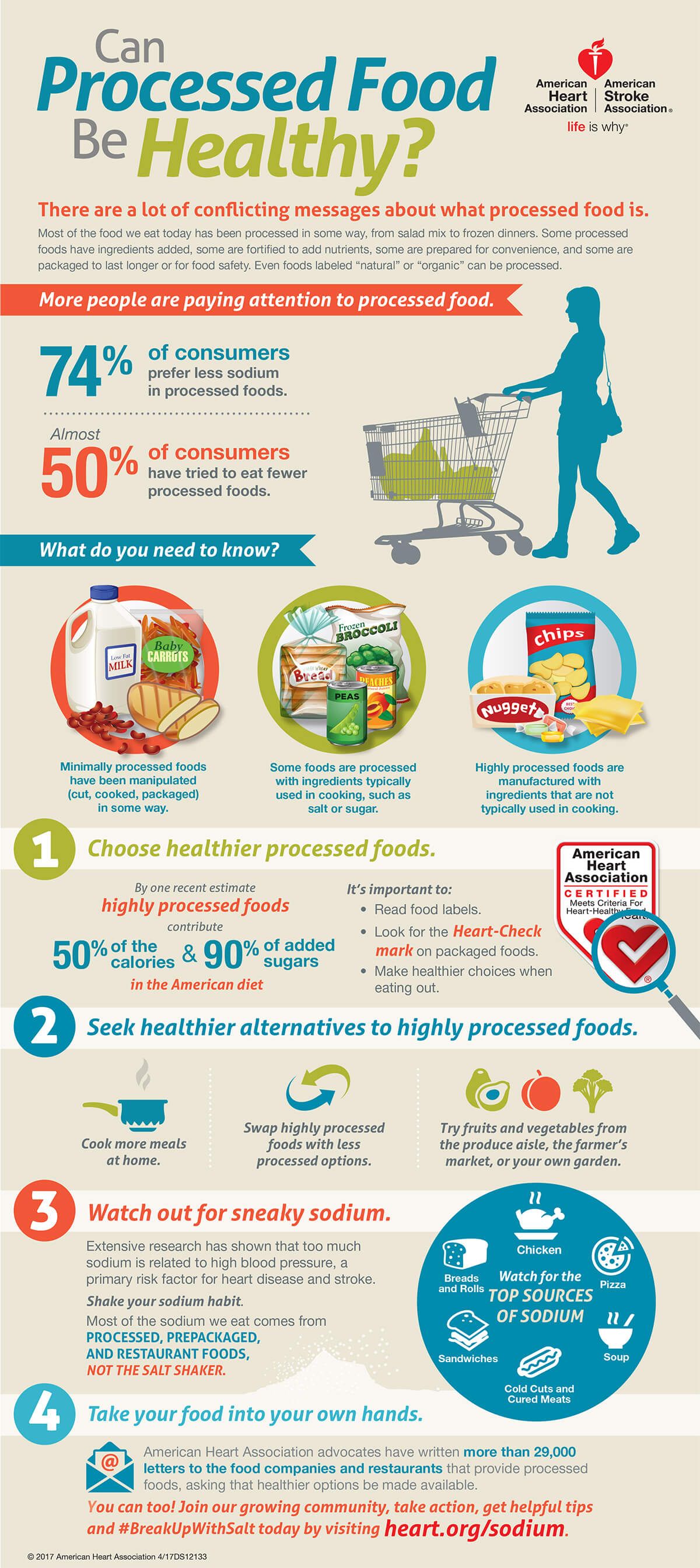
Lastly, very processed meats, like hotdogs and bacon, can contribute to swelling due to their high levels of chemicals. Recognizing these triggers will certainly assist you make better nutritional selections.
Tips for Producing an Inflammation-Friendly Meal Plan
Developing an inflammation-friendly meal strategy involves choosing foods that sustain your body's healing processes while steering clear of those that can cause swelling.
Start by filling your plate with vivid vegetables and fruits, which are rich in antioxidants. Incorporate entire grains like quinoa and wild rice for fiber and nutrients. Pick healthy and balanced fats from sources like olive oil, avocados, and nuts.
Don't ignore lean healthy proteins, such as fish and beans. Purpose to minimize refined foods, sugar, and trans fats, as these can aggravate swelling.
Meal prepping can aid you stay on track-- plan your meals for the week to avoid final harmful options.
Lastly, remain hydrated with plenty of water and natural teas to sustain your overall wellness.
Final thought
Incorporating anti-inflammatory foods into your diet regimen can make a considerable distinction in taking care of swelling. By focusing on vivid fruits, healthy fats, and omega-3-rich fish, you can nurture your body and advertise general wellness. At the same time, it's necessary to steer clear of inflammatory triggers like sugar and refined meats. With a little planning, you can create a balanced meal strategy that supports your well-being and assists relieve symptoms of inflammatory problems. Start making these modifications today!